

pet GPS tracker collar technology is now a vital safeguard for pet owners who worry about their dogs or cats getting lost. With lost pet statistics rising sharply in recent years, understanding what a GPS tracker collar can — and cannot — do is essential for making the right choice for your animal’s safety.
Key Takeaways
- Over 1.7 million pets are reported lost in the US every year, with only about 63% of dogs and 52% of cats recovered.
- Not all pet GPS tracker collars are created equal — features, accuracy, and costs vary widely between models.
- Choosing a quality GPS tracker collar can dramatically reduce the stress and time involved if your pet is lost, especially in high-risk states or during summer months.
- What Is a Pet GPS Tracker Collar and Why Should Every Owner Consider One?
- How to Choose and Use a Pet GPS Tracker Collar (Step-By-Step Guide)
- Advanced Analysis & Common Pitfalls: What to Watch Out For
- Conclusion
- FAQ
What Is a Pet GPS Tracker Collar and Why Should Every Owner Consider One?
A pet GPS tracker collar is a small, wearable device attached to your dog or cat’s collar that uses GPS technology to report your pet’s real-time or last-known location. This helps pet owners respond immediately if their animal escapes, gets lost, or is stolen. Given that more than 1.7 million pets were reported lost in the US in 2024 — with dogs making up nearly three-quarters of those cases (source) — relying on tags and microchips is no longer enough.

Conventional pet identification methods like collars or microchips can only help if someone finds your pet and brings them in. By contrast, a GPS tracker collar empowers owners to act fast, track their pet through an app, and even receive instant alerts if the animal leaves a pre-defined safe zone. This has significant benefits — especially for high-risk breeds like Huskies (most commonly lost dog breed, accounting for 7% of lost dogs) and for pet parents in states like Texas that lead in lost dog cases (source).
With July and holiday events like fireworks driving a 31% spike in lost animal reports, a GPS tracker collar is no longer a luxury — it’s smart prevention. If you want to further automate pet care, you might also read our complete guide to automatic cat litter boxes.
How to Choose and Use a Pet GPS Tracker Collar (Step-By-Step Guide)
Follow these steps to find and set up the best GPS tracker collar for your pet:
- Assess your pet’s size, breed, and environment. Small dogs and cats require lightweight collars. Larger dogs can carry more rugged devices. For rural areas (where 75% of missing dogs originate), prioritize long-range coverage.
- Compare tracker types: Real-time vs. No-subscription. Real-time trackers offer instant location updates but usually require a monthly fee. No-subscription models have lower ongoing costs but update less frequently and may not work out of cell coverage range. You can learn more about related containment options in our detailed GPS dog collar fence guide.
- Check device weight, waterproof rating, and attachment style. For cats or toy breeds, avoid anything over 30g. Seek IP67 or better water protection for outdoor pets. Quick-release attachments improve safety and ease of use.
- Review battery life and charging methods. Heavier-duty trackers last longer but can be a hassle to recharge. Some offer replaceable batteries, others have USB charging pads.
- Install the companion app and set up geofencing alerts. Always test by taking your pet on a walk and ensuring the device updates location reliably.
- Sync the tracker with your phone and test real-world accuracy. Compare your location data and set up emergency contacts within the app.
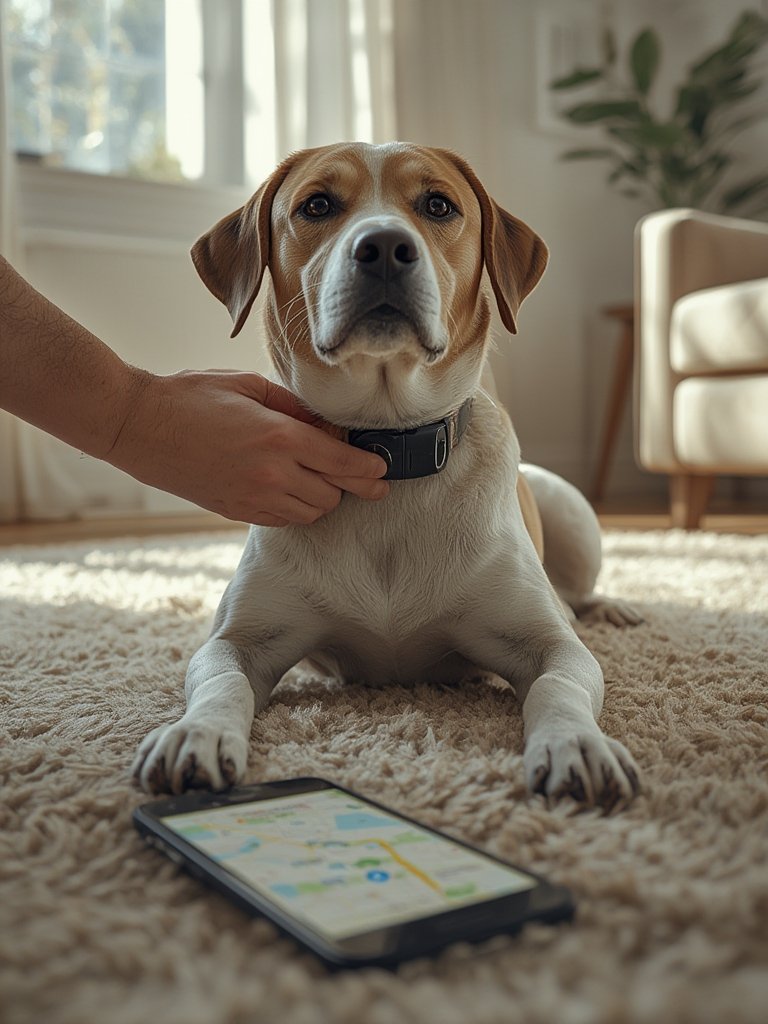
As a final usability tip, always keep open communication with your pet sitters or family. Share the app’s login or tracking link so recovery is fast — especially during stressful events like July 4th, when lost pet reports spike by more than 30% (source).
If you want to further automate pet care tasks, our smart pet feeder guide showcases devices that save time and keep pets well fed — whether you’re home or away.
Advanced Analysis & Common Pitfalls: What to Watch Out For
Choosing a pet GPS tracker collar is about balancing convenience, reliability, and real-world limitations. Not every model is a perfect fit for every pet, and being aware of common pitfalls helps you avoid frustration and wasted money.
Common Pitfalls
- False Sense of Security: Microchips and GPS trackers are not the same. GPS does not replace traditional ID tags or microchips. Many lost pets are only returned due to direct human intervention.
- Signal Dead Zones: All cellular-based GPS trackers require network coverage. Rural and mountain regions can interrupt tracking, resulting in gaps. Consider trackers with both GPS and radiofrequency locating for these cases.
- Subscription Overheads: Many owners are surprised by mandatory monthly fees. “No-subscription” models may have reduced accuracy, laggy updates, or coverage gaps. Always read the fine print before buying.
- Device Bulk: The wrong-sized collar can make smaller pets uncomfortable, or cause cats to slip their collars altogether.
- Battery Drain: Real-time tracking drains batteries quickly, sometimes requiring daily charging. Plan intervals in advance.
- Waterproof Ratings: Not all so-called “waterproof” collars are created equal. Confirm rated water resistance, especially if your pet loves to swim or roams in the rain.
- Data Privacy: Some GPS tracker brands might store your pet’s location data in the cloud. If privacy is a priority, look for devices with explicit privacy policies or the option to keep data local.
Comparison Table: Real-Time vs. No-Subscription GPS Tracker Collars
| Feature | Real-Time (Subscription) | No-Subscription |
|---|---|---|
| Location Update Speed | Instant, live tracking | Periodic (1-6 minute delay) |
| Cost Structure | Upfront + Monthly Fees | Upfront Only |
| Coverage | Cellular or LTE network | Short-range radio or Bluetooth |
| Durability | Varies, often higher-end | Varies, usually lighter/less rugged |
| Battery Life | Shorter (1-3 days) | Longer (up to weeks) |
If you need a pet hydration solution as well, our detailed cat water fountain guide compares the top models for home use.
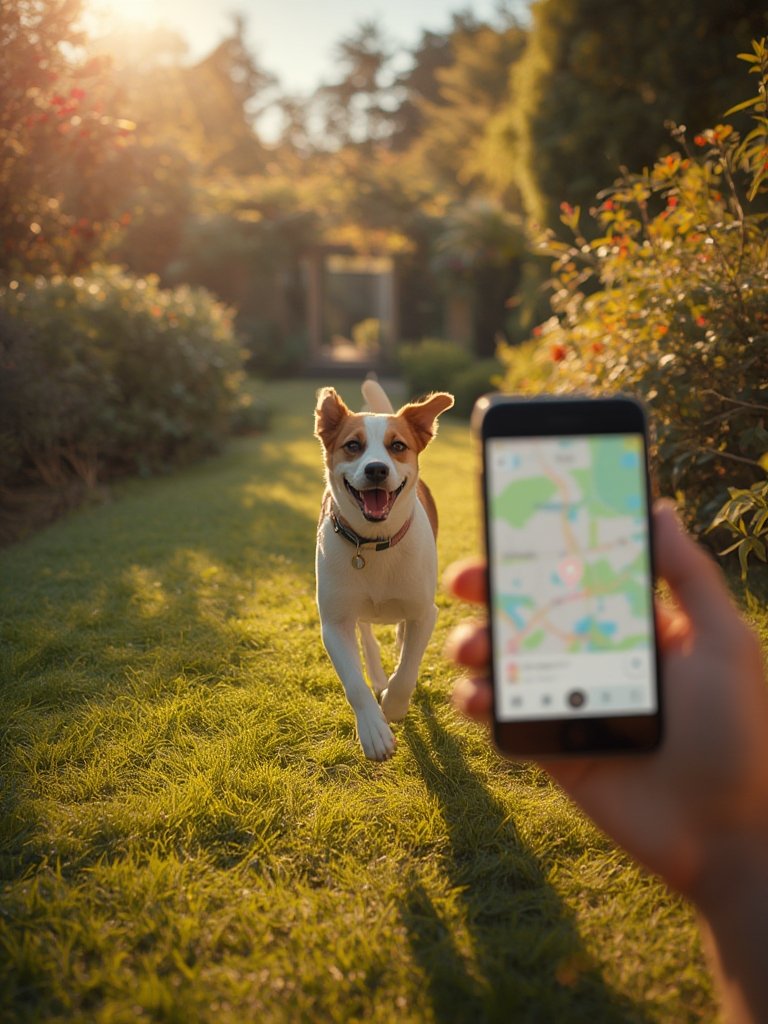
Finally, remember no tool is perfect — having an up-to-date photo and ID tag remains essential, especially since the top lost pet states like Texas and New Jersey show that environment impacts risk as much as technology.
Conclusion
With pet loss rates rising and more than half a million animals not making it home each year, a good pet GPS tracker collar may be the difference between a quick reunion and heartbreak. Compare options carefully, test your device regularly, and combine GPS tracking with other best safety practices. If you’re ready to upgrade your pet’s protection, shop for a pet GPS tracker collar that matches your needs today and take the stress and guesswork out of lost pet emergencies.
Ready for peace of mind? Research, compare, and choose your optimal GPS tracker — then relax knowing your four-legged family member is always within reach.
FAQ
Do all pet GPS tracker collars require a subscription?
No, some pet GPS tracker collars operate without a monthly subscription, but these usually have limited range, less frequent updates, or depend on Bluetooth/radio frequency — making them better suited for small yards or close-range searches.
Are GPS collars safe and comfortable for cats or small dogs?
Yes, but you must select an ultra-light model (generally under 30g) with a breakaway mechanism for cats. Test the fit and monitor for any signs of discomfort during the first week.
What happens if my pet leaves network coverage?
Cellular-based trackers will show your pet’s last known location. Some high-end models combine GPS with radiofrequency for off-grid searching but expect some blind spots in rural or mountainous areas.
How long does the battery last on a pet GPS tracker collar?
Real-time GPS collars usually last 1-3 days per charge, while basic models or those with less frequent updates can last several weeks. Always check specifications and plan for regular recharging.
Can a pet GPS tracker collar replace microchipping?
No. GPS tracking helps you find a lost pet in real time, but microchipping is still vital for identification, especially if your pet loses its collar or tracker.