

automatic cat litter box technology is transforming how cat owners manage litter maintenance, offering hands-free cleaning and healthier environments for pets. If you’re considering an upgrade or curious about the latest market insights, here’s a practical guide to help you make a smart decision and avoid common mistakes.
Key Takeaways
- The automatic cat litter box market is growing steadily due to pet health, technology upgrades, and rising multi-cat households.
- High upfront and ongoing costs remain a top challenge, so realistic budgeting is essential before purchasing.
- Choosing the right model means considering cleaning mechanisms, technical features, and honest appraisal of potential downsides.
- What Is an Automatic Cat Litter Box and Why the Hype?
- How to Choose and Set Up Your Automatic Cat Litter Box
- Advanced Analysis & Common Pitfalls Before You Buy
- Conclusion
- Frequently Asked Questions
What Is an Automatic Cat Litter Box and Why the Hype?
An automatic cat litter box is a self-cleaning litter solution designed to reduce or eliminate the need for daily manual scooping. Equipped with smart sensors, mechanical rakes, or rotating mechanisms, these devices detect when your cat has used the box and then proceed to clean the litter, usually by removing waste into a sealed compartment.
The demand for these smart litter boxes is booming. Recent market reports estimate the global market’s value at $559.3 million in 2024, with projections to reach up to $1.17 billion by 2033. The rise is driven by pet humanization, busier lifestyles, and health concerns such as odor control and disease prevention. Advanced models even offer features like Wi-Fi integration and health tracking, making them attractive to tech-savvy and health-conscious cat owners alike. For a deep dive into top-rated options and how smart litter boxes work, see Best Automatic Cat Litter Boxes: How to Choose.
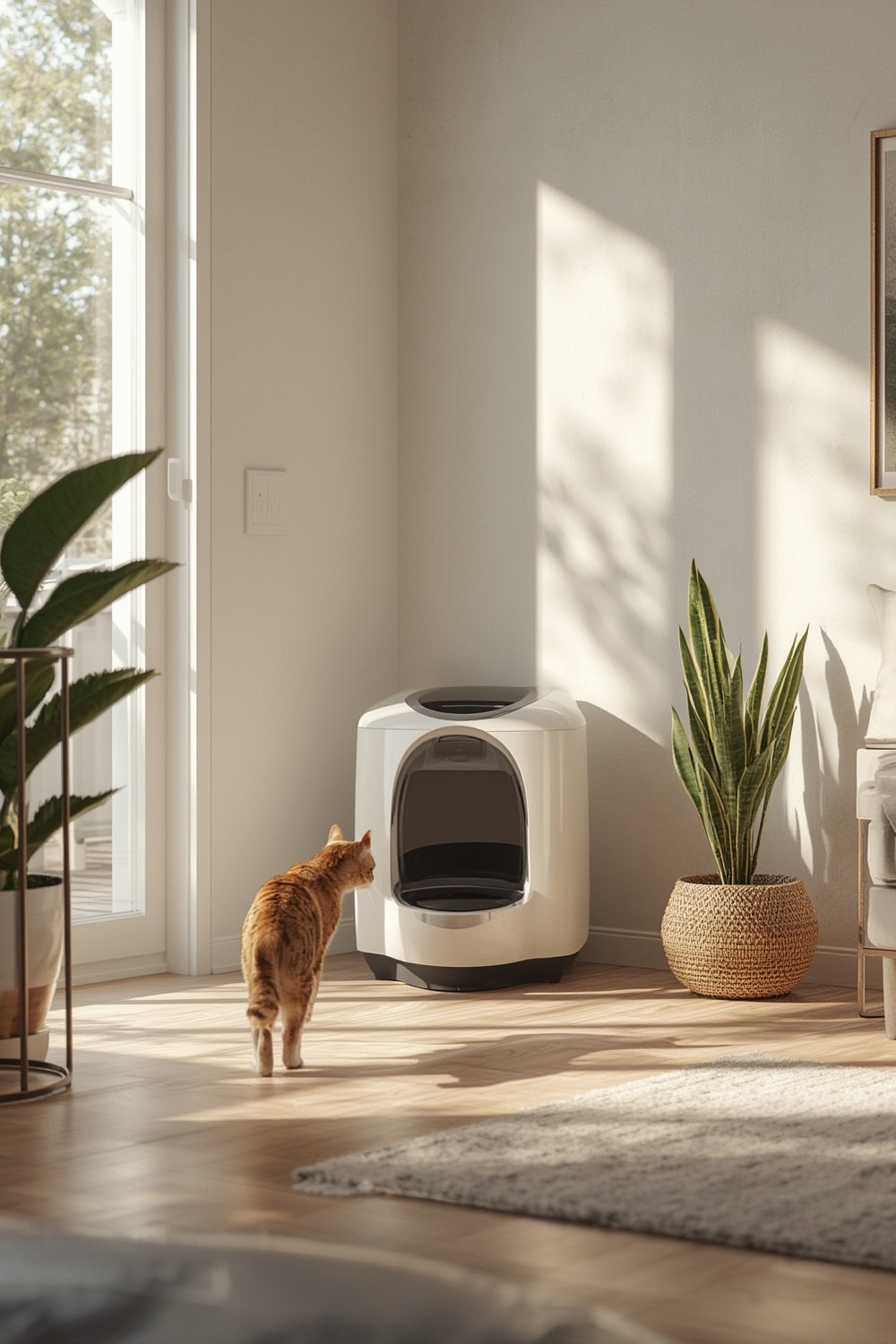
This technology offers practical benefits—reduced odor, fewer scooping chores, and better litter hygiene. However, they’re not always a one-size-fits-all solution. Understanding their mechanics and the realities behind them is vital for a positive experience.
How to Choose and Set Up Your Automatic Cat Litter Box
Getting started with an automatic cat litter box is straightforward if you take a systematic approach. Here’s a checklist for success:
- Assess Your Cats’ Needs:
- Single-cat household vs. multi-cat household? Note that multi-cat models are the fastest-growing segment with added capacity (source).
- Consider the size, weight, and litter habits of your cat(s). Larger or highly active cats may require sturdier boxes.
- Compare Cleaning Mechanisms:
- Sifting, raking, rotation, and flushing are the main systems, but not all brands disclose their detailed tech. Read technical disclosures and reviews as available; for a side-by-side analysis see this guide to the best automatic options.
- Plan for Setup and Placement:
- Pick a low-traffic, power-outlet accessible spot. Many units require space and proximity to an electrical outlet and, for app-enabled models, stable Wi-Fi.
- Some models can be heavy or require a brief assembly. Read the instruction manual—especially if you plan to switch from a regular box, to help your cat acclimate smoothly.
- Budget for Upfront and Ongoing Costs:
- Costs include the unit itself, monthly replacement filters, waste receptacles, optional app subscriptions, and possible tech support fees. Realistically assess ongoing cost to avoid surprises.
- Monitor for Performance After Setup:
- Watch your cat’s usage over the first week. Some cats need time to adjust—patience pays off. Regularly inspect for error codes, clogs, or waste overflow, especially during the adjustment period.
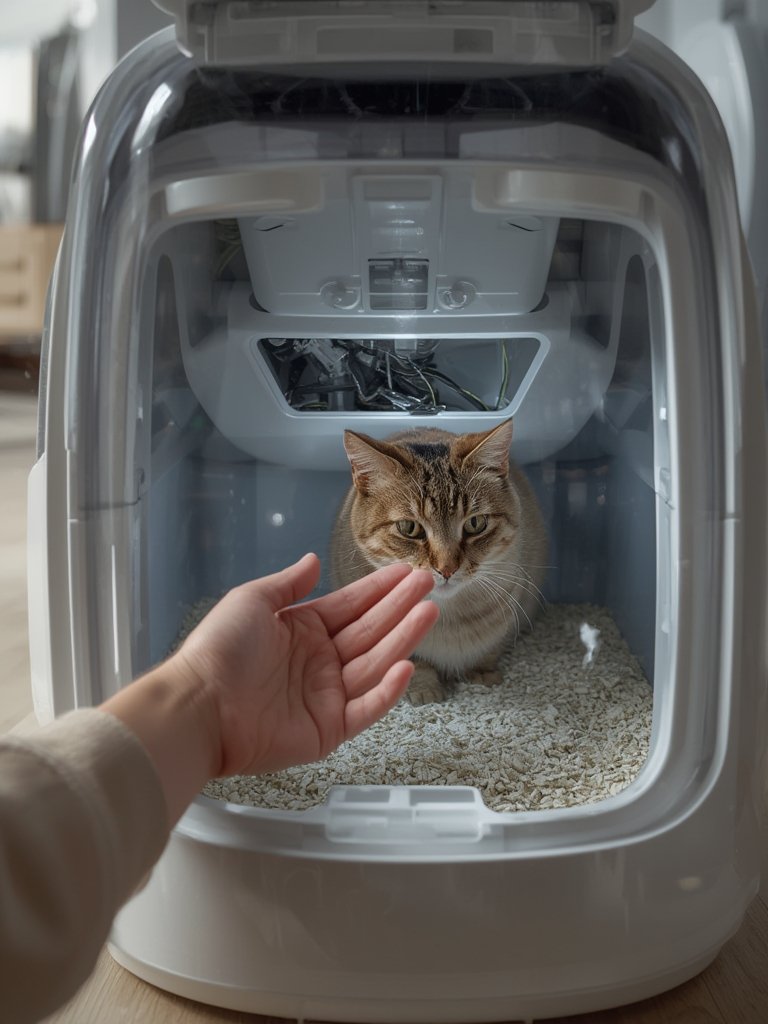
For more helpful product advice, see our detailed comparison featuring leading models and “litter robot alternatives” in this resource. And while you’re setting up your litter solution, don’t overlook the importance of hydration—our cat water fountains guide can help you keep your cat healthy.
Advanced Analysis & Common Pitfalls Before You Buy
Before investing in an automatic cat litter box, it’s important to consider the risks and limitations. Here’s a realistic look at market data and pitfalls many buyers face:
- Price Barrier: Many automatic litter boxes start at higher price points, with ongoing costs for replacement filters, Wi-Fi subscriptions, and accessories. Not ideal for budget-sensitive buyers.
- Maintenance is Not Zero: Automatic does not mean maintenance free. Sensors and rake mechanisms can jam if not checked regularly, and waste receptacles still require weekly emptying.
- Noise Factors: While “QuietSift” tech is emerging, some units are noisy, which can startle sensitive cats. Specific decibel ratings are rarely provided by brands (source).
- Technical Glitches: Advanced features—Wi-Fi, app tracking, or gravity sensors—can require firmware updates or tech support, leading to unexpected downtimes.
- Size & Placement: Multi-cat models can be bulky. Small apartments may not accommodate the unit plus required surrounding space.
- No One Answer for Multi-Cat Use: Not all “multi-cat” models are truly optimized for two or more cats; shared usage can sometimes lead to more cleaning cycles and increased wear.
| Feature | Automatic Litter Box | Standard Litter Box |
|---|---|---|
| Daily Scooping Needed | No (but weekly checks required) | Yes |
| Initial Cost | High | Low |
| Maintenance Costs | Recurring (filters, internet, etc.) | Minimal (litter only) |
| Odor Control | Excellent (if maintained) | Average |
| Tech Reliability | Depends on model | No tech |
| Space Required | More (+ power outlet) | Minimal |
Choosing a reputable brand is key—Whisker (Litter-Robot), PetSafe, and Petkit are market leaders (source), but always check return policies and customer support responsiveness. For a discussion on alternatives and user experiences, see our coverage of litter robot alternatives.
If you want a complementary tech upgrade for your cat, look at smart hydration systems outlined in this water fountain guide. For pet tracking and safety, see the overview of best GPS dog collar fences.
Conclusion
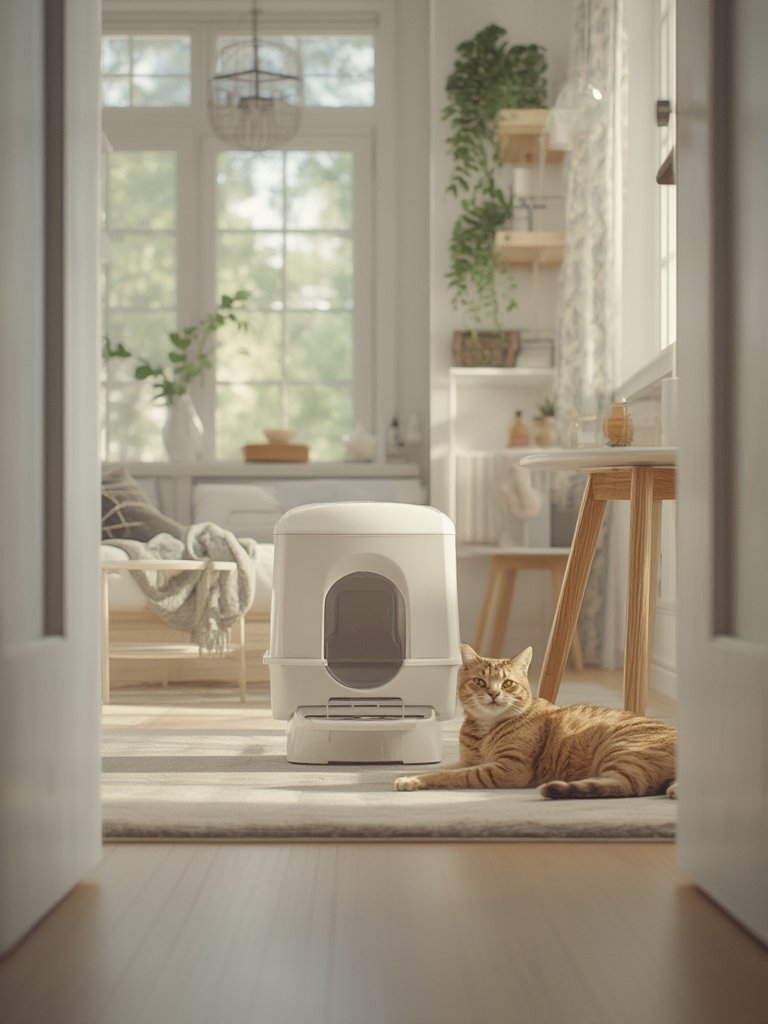
When used correctly, an automatic cat litter box can dramatically reduce daily chores, improve odor control, and support a cleaner home. The key is realistic budgeting, careful placement, and maintaining the device as part of your regular pet care routine. As the market evolves, features like app integration and quieter operations make these solutions even more appealing, but awareness of costs and limitations is essential.
Ready to explore top picks or compare brands? Start with our guide to the best automatic cat litter boxes and make your next purchase a smart one. Update your cat’s routine with confidence—a well-chosen automatic cat litter box truly makes life easier for you and your cat.
Frequently Asked Questions
Do automatic cat litter boxes really eliminate all manual cleaning?
No. While they reduce scooping, you still need to empty the waste drawer weekly and occasionally clean the device’s sensors and moving parts to keep it running smoothly.
Are automatic litter boxes safe for all cats?
Most are safe for adult cats, but very small kittens or cats over certain weight limits may not trigger sensors correctly. Always check model specifications and monitor your cat’s reaction during the first week.
How noisy are these devices?
Noise varies by model. Some units have emerged with quieter technology, but few brands publish decibel ratings. Sensitive cats may need gradual introduction to avoid being startled during cleaning cycles.
What are the real ongoing costs?
Expect replacement filters, disposable receptacles, potential app subscriptions, and energy use on top of the upfront price. The total cost of ownership is typically higher than that of a standard litter box.
Can automatic cat litter boxes be used in small apartments?
Many are large and require power outlets, so measure your available space before buying. Some compact versions exist, but always confirm dimensions and recommended clearances before purchase.